
Total Knee Replacement Surgery in HyderabadPersonalised Knee Replacement Care at Udai Omni Hospital
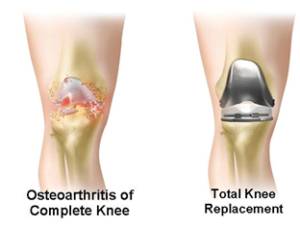
Total Knee Replacement (TKR) is a surgical procedure used to replace damaged surfaces of the knee joint with artificial components when severe knee damage causes persistent pain, stiffness and difficulty with everyday activities. It is commonly considered for advanced osteoarthritis, rheumatoid arthritis, post-traumatic arthritis and other conditions that have significantly affected knee function.
At Udai Omni Hospital, Hyderabad, total knee replacement is planned around the individual patient's condition rather than using the same approach for everyone. The orthopaedic team evaluates the extent of joint damage, alignment, mobility, overall health and treatment goals before recommending an appropriate surgical or non-surgical option.
Why Consider Udai Omni for Total Knee Replacement?
Udai Omni Hospital has a long-standing orthopaedic focus. Its history dates back to 1974, and its joint replacement service includes primary and revision procedures.

Dr. Udai Prakash
Joint Replacement Services
Dr. Udai Prakash serves as Director and Chief of Joint Replacement Surgery. He holds FRCS (England), FRCS (Edinburgh), FRCS (Trauma & Orthopaedics), UK and CCST UK qualifications. He completed specialist orthopaedic training in Scotland, fellowship training in arthroplasty and arthroscopy in Australia, and worked as a consultant trauma and orthopaedic surgeon in the UK from 2002 to 2012. He has also been involved in academic teaching, research publications and international orthopaedic presentations.
When Is Total Knee Replacement Recommended?
Total knee replacement is generally considered when knee pain and loss of function significantly affect daily life and appropriate non-surgical treatments no longer provide sufficient relief.
Signs That May Need Assessment
- Persistent knee pain while walking or standing
- Pain that interferes with sleep
- Difficulty climbing stairs
- Increasing knee stiffness
- Reduced ability to bend or straighten the knee
- Knee deformity or changes in alignment
- Difficulty performing normal daily activities
- Reduced mobility despite physiotherapy or other treatments
Conditions and Individual Assessment
Osteoarthritis is one of the most common reasons for TKR. Rheumatoid arthritis, previous knee injuries and post-traumatic arthritis can also cause severe joint damage.
Age alone does not determine whether someone needs knee replacement. The decision is based on symptoms, the extent of joint damage, functional limitations, general health and the response to other treatments.
Do You Need Total Knee Replacement?
Not every person with knee arthritis requires surgery. The choice depends on the condition and severity of the problem.
Treatment Before Surgery
Depending on the condition, treatment may initially include physiotherapy, strengthening exercises, weight management, activity modification, medicines, braces or selected injection treatments.
When these measures no longer provide adequate relief and advanced joint damage is affecting mobility and quality of life, your orthopaedic surgeon may discuss knee replacement.
Total vs Partial Knee Replacement
Total knee replacement is generally considered when arthritis or damage affects multiple areas of the knee and more extensive joint resurfacing is required.
Partial or unicompartmental knee replacement replaces only the damaged compartment while preserving suitable healthy structures. It is appropriate only for selected patients.
Udai Omni has a particular focus on partial knee replacement, and its published material highlights Dr. Udai Prakash’s experience with unicompartmental knee replacement.
What About Robotic-Assisted Knee Replacement?
Robotic-assisted knee replacement uses computer-based planning and technology to assist with surgical planning and execution.
However, robotic assistance should not be viewed as automatically necessary for every patient. The appropriate technology depends on the patient's anatomy, diagnosis and surgical requirements.
The surgeon's experience, accurate planning and appropriate implant selection remain important parts of joint replacement care. Dr. Udai Prakash has also discussed this patient-focused approach in Udai Omni's educational content, emphasising the expertise behind the operation rather than focusing only on implant brands.
What the System Assists With
- Pre-operative planning
- Implant positioning
- Bone preparation during surgery
- Intra-operative assistance
What Happens During Total Knee Replacement?
During TKR, damaged knee surfaces are carefully prepared and replaced with artificial components designed to restore joint function and alignment.
How the Surgery Is Performed
- Administering appropriate anaesthesia
- Accessing the knee joint through a surgical incision
- Removing damaged cartilage and small amounts of damaged bone
- Preparing the femur and tibia for implant components
- Positioning the appropriate knee prosthesis
- Assessing movement, stability and alignment
- Closing the surgical wound
How Is the Right Procedure Selected?
There is no single knee replacement procedure suitable for every patient. Your orthopaedic assessment may consider:
- Location and severity of arthritis
- X-ray and other appropriate imaging findings
- Knee alignment and ligament stability
- Range of movement
- Previous injuries or surgeries
- Activity level and general health
- Age and functional requirements
- Response to previous treatments
Patient Experience at Udai Omni
One published case describes Mrs. CK, a 62-year-old patient whose severe knee problems affected walking, shopping, social activities and sleep. After assessment and discussion with Dr. Udai Prakash, she underwent bilateral knee replacement and subsequently described being able to return to activities that were previously difficult for her.
Mrs. CK, 62 Years — Total Knee Replacement
These stories are presented as individual patient experiences and should not be interpreted as a guarantee of the same outcome for every patient.

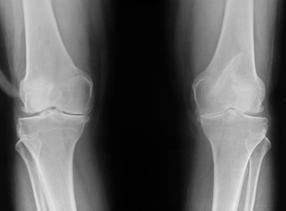
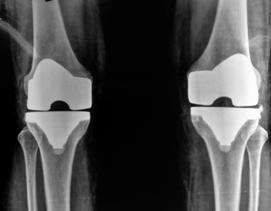
My knee problems started in 2008. At first, I thought it would go away just the way it had come. By 2011, the pain became very intense. One by one, it slowly took away all the things that I loved doing like shopping, spending time with my grandchildren, even walking. My life just came to a standstill. Even climbing a few steps began to feel like a trekking expedition! At every social function I went to, instead of enjoying myself and interacting with other people, I was always looking for a seat. I couldn't even stand! I felt isolated, different. It was horrible.
I finally decided to see an orthopaedic surgeon specializing in joint replacement surgery, who happened to be Dr. Udai Prakash. After a thorough examination and assessment, he said that I would benefit from both my knees replaced.
My heart sank. I didn't want surgery. I was a diabetic and had high blood pressure — what if something went wrong? How long before I recovered? My friends and relatives told me that knee replacement surgery does not work and that the knee does not bend after surgery and it is also very painful. But it turns out that six years of home remedies, ayurvedic massage, etc., were merely delaying the inevitable.
Following an x-ray which clearly showed a very deformed and worn out joint, I ended up having a long conversation with the doctor, who was very patient and answered all my queries in a manner that gave me a lot of comfort and confidence in his ability and the hospital.
So, I decided to get new knees. What a relief! All the credit goes to my doctor and his staff. They made things so easy during the post-rehab program that recovery was quick.
Recovery After Total Knee Replacement
Recovery is different for every patient. Appropriate movement and rehabilitation are generally encouraged soon after surgery, depending on medical condition and surgical recovery.
Stages of Recovery
Early recovery: Pain management, wound care, safe movement and beginning physiotherapy.
First few weeks: Progressive walking, knee movement, strength and independence with guidance from the healthcare team.
Following months: Strength, flexibility, balance and functional mobility may continue improving with recommended rehabilitation.
Recovery speed depends on general health, pre-operative mobility, age, surgical technique, rehabilitation and individual response.
Risks and Possible Complications
Like any major surgery, TKR has potential risks. Your surgeon will assess individual risk factors and explain benefits, limitations and complications before surgery.
- Infection and blood clots
- Bleeding or stiffness
- Persistent pain
- Implant wear or loosening
- Instability
- Nerve or blood-vessel injury
- Problems requiring further treatment or revision surgery
How Long Does a Knee Replacement Last?
Modern knee implants are designed for long-term use, but longevity varies. Implant design, surgical technique, activity level, body weight and overall health can influence long-term performance.
Regular follow-up can help identify problems early. Udai Omni also provides revision joint replacement services for problems such as loosening, infection, instability, fracture or other complications.
Frequently Asked Questions
01Is total knee replacement suitable for everyone with arthritis?
02Is total knee replacement better than partial knee replacement?
03How soon can I walk after total knee replacement?
04How long does recovery take after TKR?
05Does a knee replacement last permanently?
06Should I choose a robotic knee replacement?
Consult a Total Knee Replacement Specialist in Hyderabad
If persistent knee pain, stiffness or reduced mobility is affecting your everyday life, an orthopaedic evaluation can help determine the cause and available treatment options.
At Udai Omni Hospital, Hyderabad, the joint replacement team evaluates each patient individually and discusses appropriate treatment options based on the condition of the knee.
Book a consultation with the Udai Omni orthopaedic team to understand whether total knee replacement is appropriate for you.
Udai Omni Hospital, Hyderabad